
How Salt Air & Humidity Affect Your Paint in South Florida (and How to Protect Your Home)
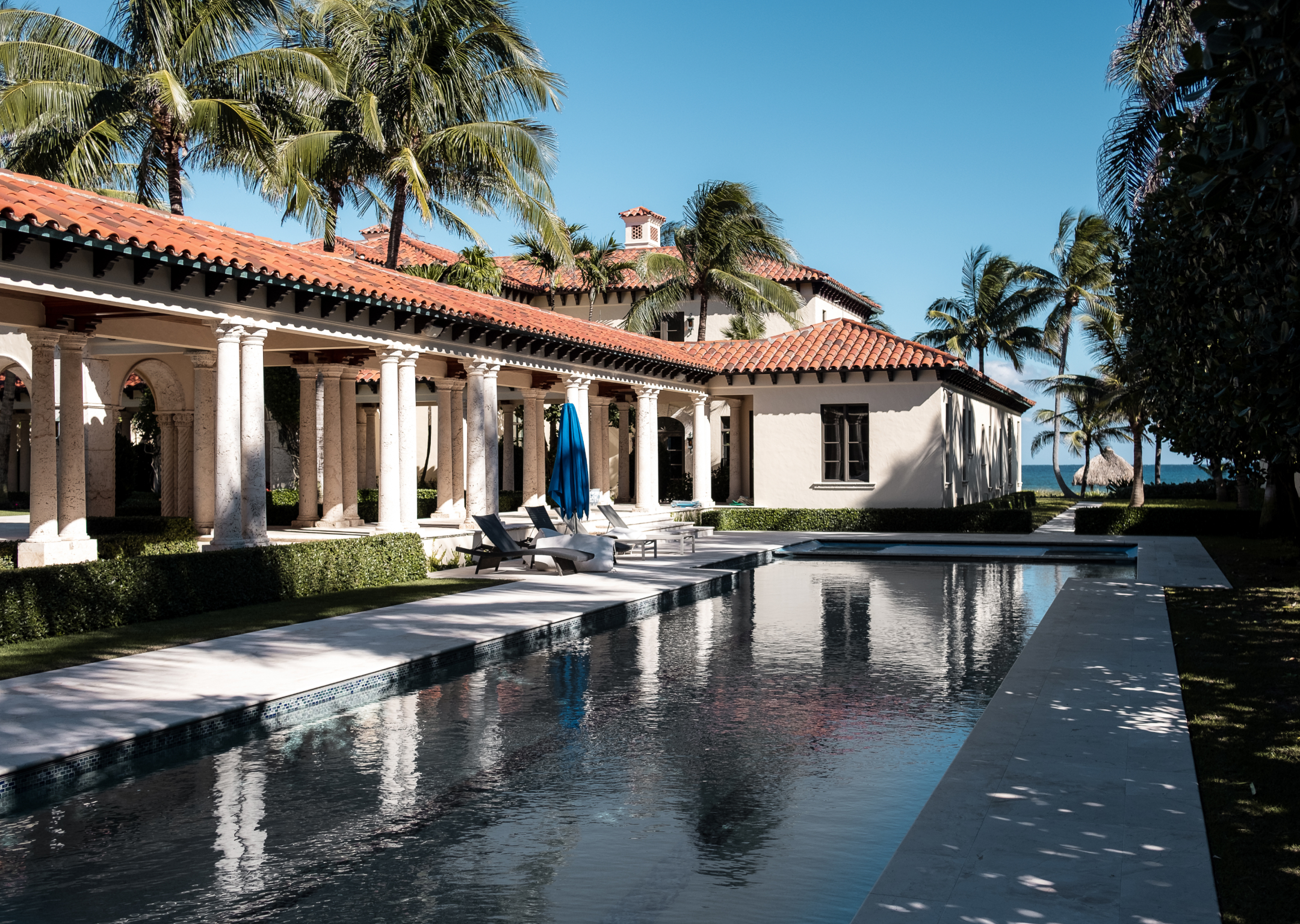
South Florida is one of the most beautiful — and most demanding — places in the country to own a home. The same coastal setting that makes living here so appealing also puts constant stress on your home's exterior. Salt air, relentless humidity, and intense UV sun work together to break down ordinary paint far faster than in most climates. The good news: with the right preparation and materials, a finish can stand up to all of it. Here's what's happening on your walls, and how to protect against it.
What salt air does to paint
If you live near the coast or on the water, salt is constantly in the air — and it's hard on finishes. Airborne salt settles on exterior surfaces, draws and holds moisture against the paint film, and accelerates corrosion of any metal underneath, from railings to fasteners to stucco reinforcement. Over time this leads to premature fading, chalking, and peeling, and it's why waterfront and beachfront homes often need attention sooner than homes further inland.
Salt also works its way into porous surfaces like stucco and masonry. If it isn't cleaned off properly before painting, it keeps undermining the finish from underneath no matter how good the paint is.
What humidity does to paint
South Florida's humidity is relentless, and it attacks paint in a few ways. The most visible is mildew: warm, damp conditions are ideal for mold and mildew growth, which shows up as dark streaks and spotting on exterior walls. Humidity also interferes with adhesion — if paint is applied when surfaces are damp or moisture is trapped underneath, it can blister, bubble, and peel as that moisture tries to escape.
Moisture intrusion is the quiet culprit behind many failed paint jobs here. When walls can't manage moisture properly, even a quality coating will lift and fail.
What the sun does to paint
Add intense, year-round UV exposure to the mix and you have the third force breaking down your finish. Strong sun fades color and degrades the paint's binders over time, causing chalking — that powdery residue you can rub off a sun-beaten wall. Darker and more saturated colors tend to show this fading fastest, which is one reason lighter exterior colors hold up better in our climate.
How to protect your home
The encouraging part is that all of this is manageable. A finish that lasts in South Florida comes down to a few things done right.
Meticulous surface preparation. This is the single most important factor. Properly cleaning the surface — removing salt, dirt, mildew, and any chalking — and making sure it's fully dry before painting is what gives the new finish something sound to bond to. Most premature failures trace back to prep that was rushed or skipped.
Quality, climate-appropriate coatings. Premium exterior paints are formulated to resist UV, repel moisture, and flex with the surface as it expands and contracts in the heat. Many also include mildew-resistant additives that fight the mold growth our humidity encourages. The right product for your specific surface — stucco, wood, masonry — matters enormously.
Painting in the right conditions. Timing matters. Applying paint when humidity is lower and surfaces are dry, and avoiding impending rain, allows the finish to cure properly and adhere the way it's designed to. A professional plans the work around these conditions.
Ongoing care. Even the best finish lasts longer with occasional gentle cleaning to remove salt and mildew buildup, and with prompt attention to any small areas of wear before they spread.
Why cutting corners costs more here
In a milder climate, a rushed paint job might look fine for years. In South Florida, it shows quickly — peeling near the waterline, mildew streaks, fading within a season or two. Because our environment is so unforgiving, the prep and the products are not where you want to economize. Doing it right the first time is what saves you from repainting far sooner than you should have to.
That's the standard we hold every exterior project to. At FirstChoice, we understand exactly what South Florida's climate does to a home, and we prepare and protect every surface accordingly — so your finish stays beautiful for years, not seasons.
Request a free estimate — or explore our residential painting services.
Frequently asked questions
How often should I repaint my home in South Florida?
Exteriors here often need refreshing every 5 to 7 years, and sometimes sooner for waterfront and beachfront homes exposed to salt air. Quality materials and proper prep meaningfully extend that timeline.
Why does paint peel so quickly on coastal homes?
Salt holds moisture against the paint film, and trapped moisture and humidity cause paint to blister and peel. Thorough cleaning to remove salt, full drying before painting, and moisture-resistant coatings are what prevent it.
What's the best type of paint for South Florida's climate?
Premium exterior paints designed to resist UV and moisture, with mildew-resistant properties and the right formulation for your surface, perform best. The specific product matters less than choosing a quality, climate-appropriate coating and applying it over proper preparation.
Can I prevent mildew on my exterior walls?
You can greatly reduce it. Mildew-resistant coatings, proper surface prep, and periodic gentle cleaning to remove buildup all help keep walls clear in our humid climate, though no finish is completely maintenance-free here.
FirstChoice Professional Painting has protected South Florida's finest homes against salt, sun, and humidity since 1997, across Palm Beach, Broward, and Miami-Dade. Request your free estimate today.